
A vacuum sealer machine is an essential packaging solution for businesses that need to protect products from air, moisture, dust, and other external factors. By removing air from a specially designed bag and sealing it tightly, this machine helps extend product freshness and maintain packaging quality. From food manufacturers and restaurants to supermarkets and commercial kitchens, vacuum sealing can improve product handling, storage, and presentation.
For businesses looking for reliable packaging equipment, choosing the right machine is important. Auto Pak Trading provides packaging machinery solutions designed to support different business requirements, production volumes, and packaging applications.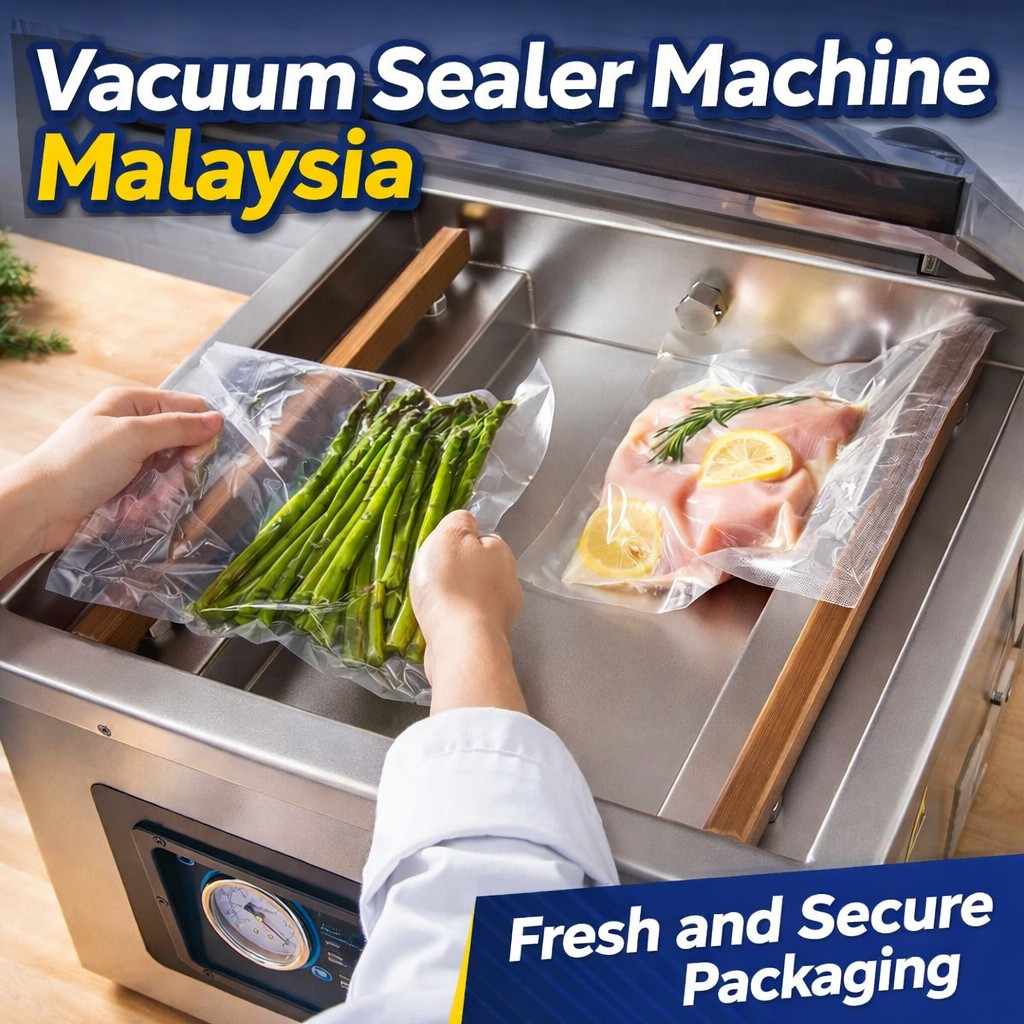
What Is a Vacuum Sealer Machine?
A vacuum sealer machine is packaging equipment that removes air from a bag before creating a secure heat seal. The reduced-air environment helps protect packaged products and can make storage more efficient.
The process is straightforward. A product is placed inside a compatible vacuum bag, the open end is positioned in the machine, and the equipment removes air from the package. Once the desired vacuum level is achieved, the machine seals the bag using heat.
Depending on the model, vacuum sealing equipment can be suitable for individual products, food portions, industrial components, and various commercial packaging applications.
How Does Vacuum Sealing Work?
The basic vacuum sealing process involves several stages:
Product placement: The product is placed inside a suitable vacuum packaging bag.
Bag positioning: The open end of the bag is placed correctly inside the sealing area.
Air removal: The machine extracts air from the bag.
Vacuum creation: The system reaches the required vacuum level.
Heat sealing: The opening is sealed securely.
Packaging inspection: The finished package is checked for proper sealing and appearance.
This automated process can help businesses achieve consistent packaging results while reducing manual effort.
Benefits of Using a Vacuum Sealer Machine
1. Helps Extend Product Freshness
Removing air from packaging can help slow oxidation and reduce exposure to external contaminants. For food businesses, this can support better product preservation when combined with appropriate storage conditions.
2. Improves Product Protection
A sealed package provides an additional barrier against dust, moisture, and environmental exposure. This makes vacuum packaging useful for products that require additional protection during storage and transportation.
3. Creates Professional Packaging
Clean, compact packaging can improve product presentation. A properly sealed package can give products a more organized and professional appearance, which is particularly valuable for retail businesses.
4. Saves Storage Space
Vacuum-packed products can often take up less space because excess air is removed from the package. This may help businesses organize refrigerators, freezers, warehouses, and storage areas more efficiently.
5. Supports Consistent Packaging
Manual packaging can produce inconsistent results, particularly when businesses handle large quantities of products. Automated sealing equipment helps create more uniform seals and packaging processes.
6. Reduces Packaging Waste
Using the appropriate bag size and controlling the packaging process can help businesses reduce unnecessary packaging material. Efficient packaging can also make product storage and handling more organized.
Applications of Vacuum Sealing Equipment
A vacuum sealer machine can be used across many industries. Food processing is one of the most common applications, including meat, seafood, vegetables, cheese, ready-to-eat meals, and other products.
Restaurants and commercial kitchens can also use vacuum packaging to portion ingredients and organize food storage. Supermarkets may use vacuum sealing for selected fresh products, while food manufacturers can incorporate vacuum packaging into larger production processes.
Beyond food applications, vacuum sealing can also be useful for certain industrial products. Components, hardware, and other items that require protection from environmental exposure may benefit from sealed packaging, depending on their material and packaging requirements.
Choosing the Right Vacuum Sealer Machine
Selecting suitable equipment requires consideration of several factors.
Packaging Volume
Businesses should determine how many packages they need to process per day or hour. A small operation may require a compact machine, while a high-volume production facility may need commercial or industrial equipment designed for continuous operation.
Product Type
The product being packaged plays an important role in machine selection. Different products may have different requirements related to size, shape, moisture content, and packaging material.
Bag Size
Consider the maximum dimensions of the products and bags that need to be sealed. Choosing equipment with an appropriate sealing length can improve operational efficiency.
Vacuum Performance
Different applications may require different vacuum levels and operating cycles. Businesses should select equipment capable of achieving the required packaging results for their products.
Sealing Quality
A strong and consistent seal is essential for reliable packaging. Look for equipment that provides controlled sealing temperatures and dependable sealing performance.
Ease of Operation
User-friendly controls can make training easier and help operators maintain consistent packaging processes. Easy cleaning and maintenance are also important for businesses that use packaging equipment frequently.
Vacuum Sealing vs. Traditional Packaging
Traditional packaging methods may leave significant amounts of air inside a package. Depending on the product, this can affect freshness, storage efficiency, and product protection.
Vacuum packaging reduces the amount of air surrounding the product before sealing. This can provide a more compact package and improve protection against certain environmental factors.
However, vacuum sealing is not suitable for every product or situation. Businesses should consider product characteristics, storage requirements, packaging materials, and applicable food safety procedures before selecting a packaging method.
Maintenance Tips for Better Performance
Regular maintenance can help packaging equipment operate efficiently. Operators should clean sealing surfaces regularly and remove packaging residue from areas that come into contact with bags.
It is also important to inspect sealing components and vacuum-related parts according to the manufacturer's maintenance recommendations. Damaged or worn components should be replaced when necessary.
Keeping the machine clean and following proper operating procedures can help reduce unexpected downtime and maintain consistent packaging quality.
Why Choose Auto Pak Trading?
For businesses searching for dependable packaging machinery, Auto Pak Trading offers solutions for different packaging requirements. The right equipment can help companies improve packaging efficiency, maintain product presentation, and streamline daily operations.
Before purchasing a vacuum sealer machine, businesses should evaluate their production volume, product characteristics, packaging dimensions, and operational requirements. Selecting equipment that matches these factors can provide better long-term value and smoother packaging operations.
Conclusion
A vacuum sealer machine can be a valuable addition to businesses that want efficient, consistent, and professional packaging. By removing air and creating a secure seal, vacuum packaging can help protect products, improve storage efficiency, and enhance overall presentation.
Whether you operate a food processing facility, restaurant, supermarket, commercial kitchen, or another packaging-focused business, choosing the right equipment is essential. Auto Pak Trading can help businesses explore suitable packaging machinery based on their specific operational needs.
With the right machine, proper packaging materials, and regular maintenance, businesses can create a more efficient packaging workflow while maintaining reliable results.